Fringe repair, by hand
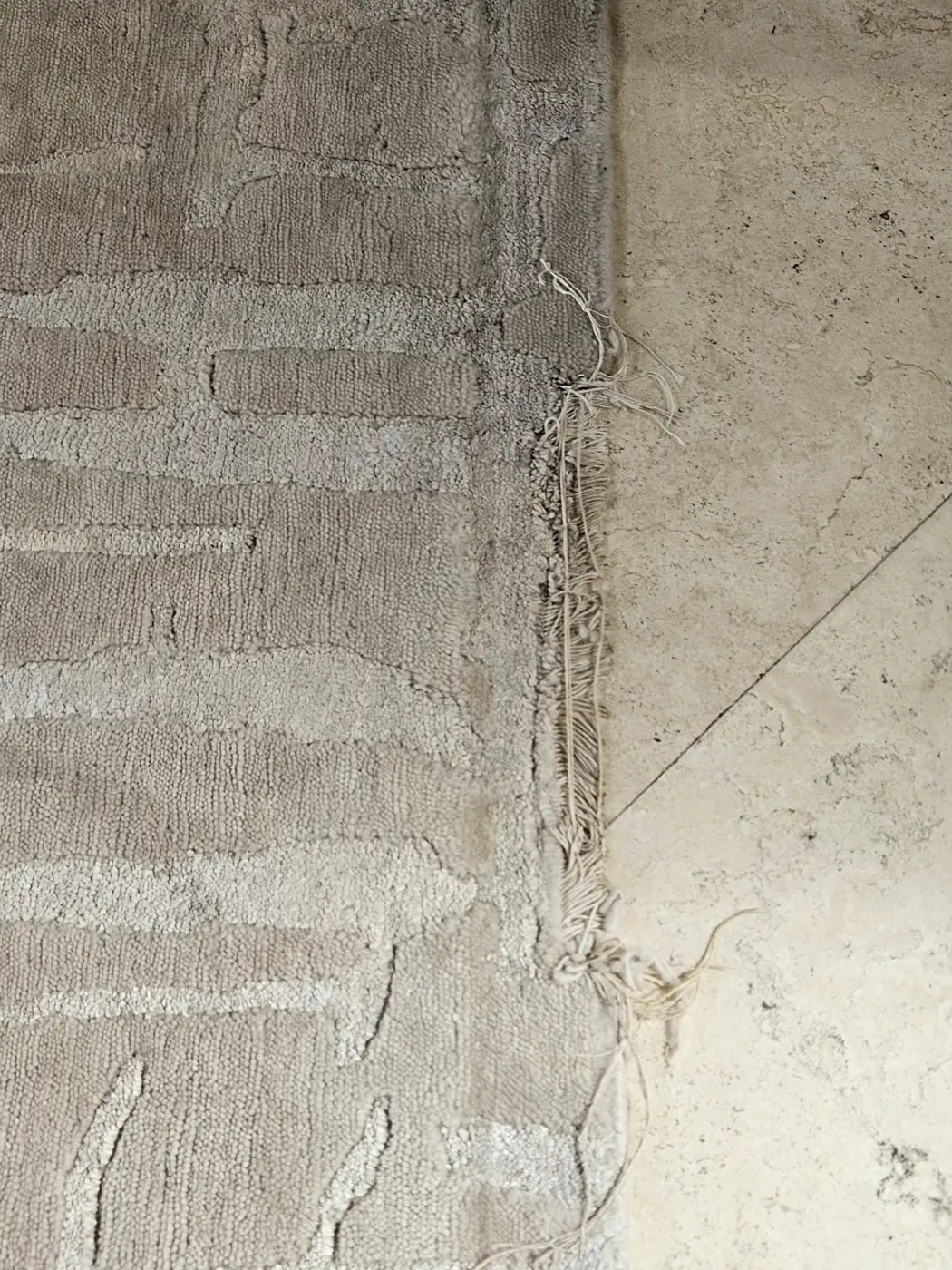
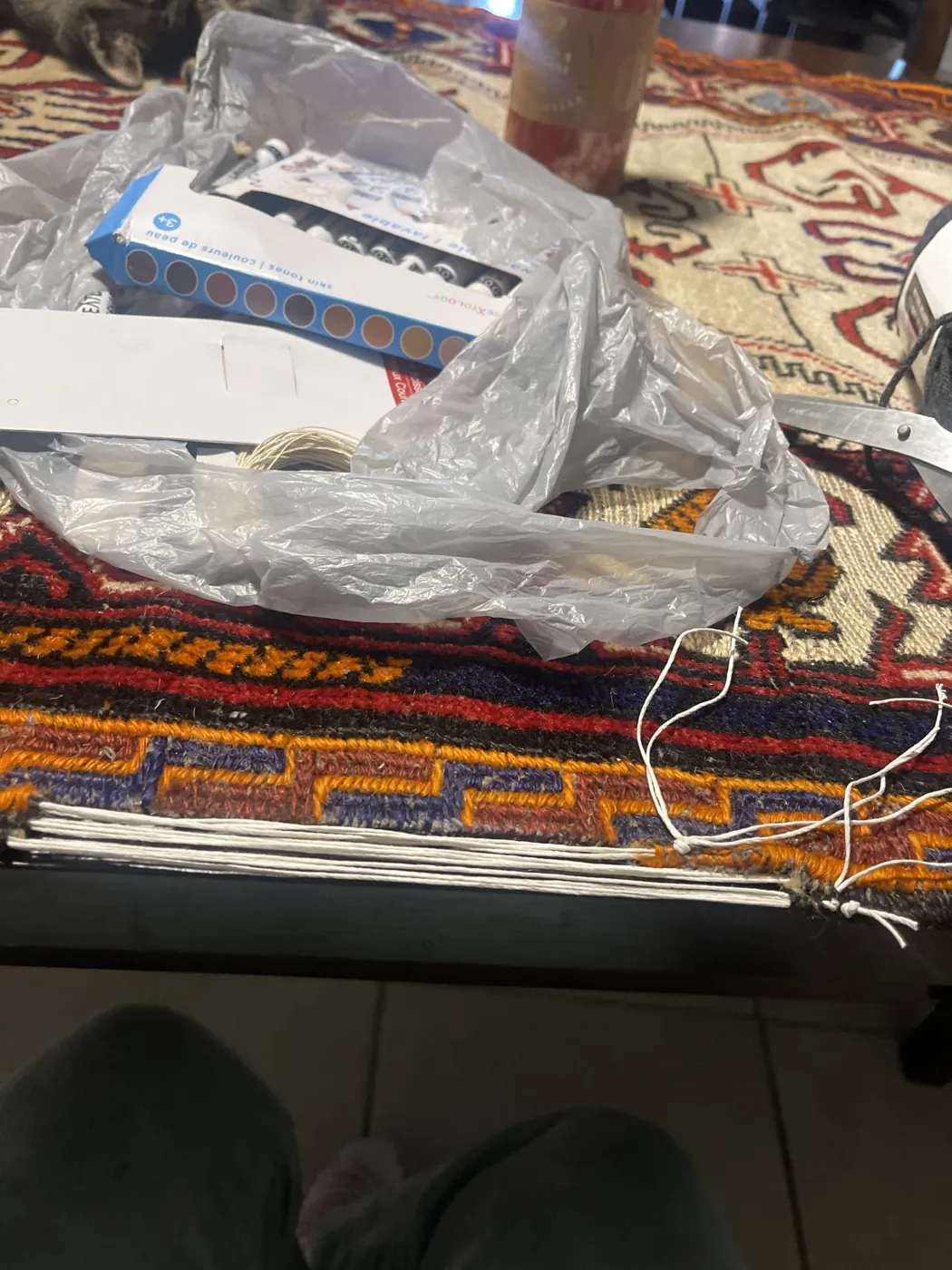
Fringe isn't decoration — it's the warp, the foundation threads the whole rug is tied onto. Once it wears through, the knots start walking out a row at a time. Overcasting binds that edge back down, stitch by stitch, by hand.
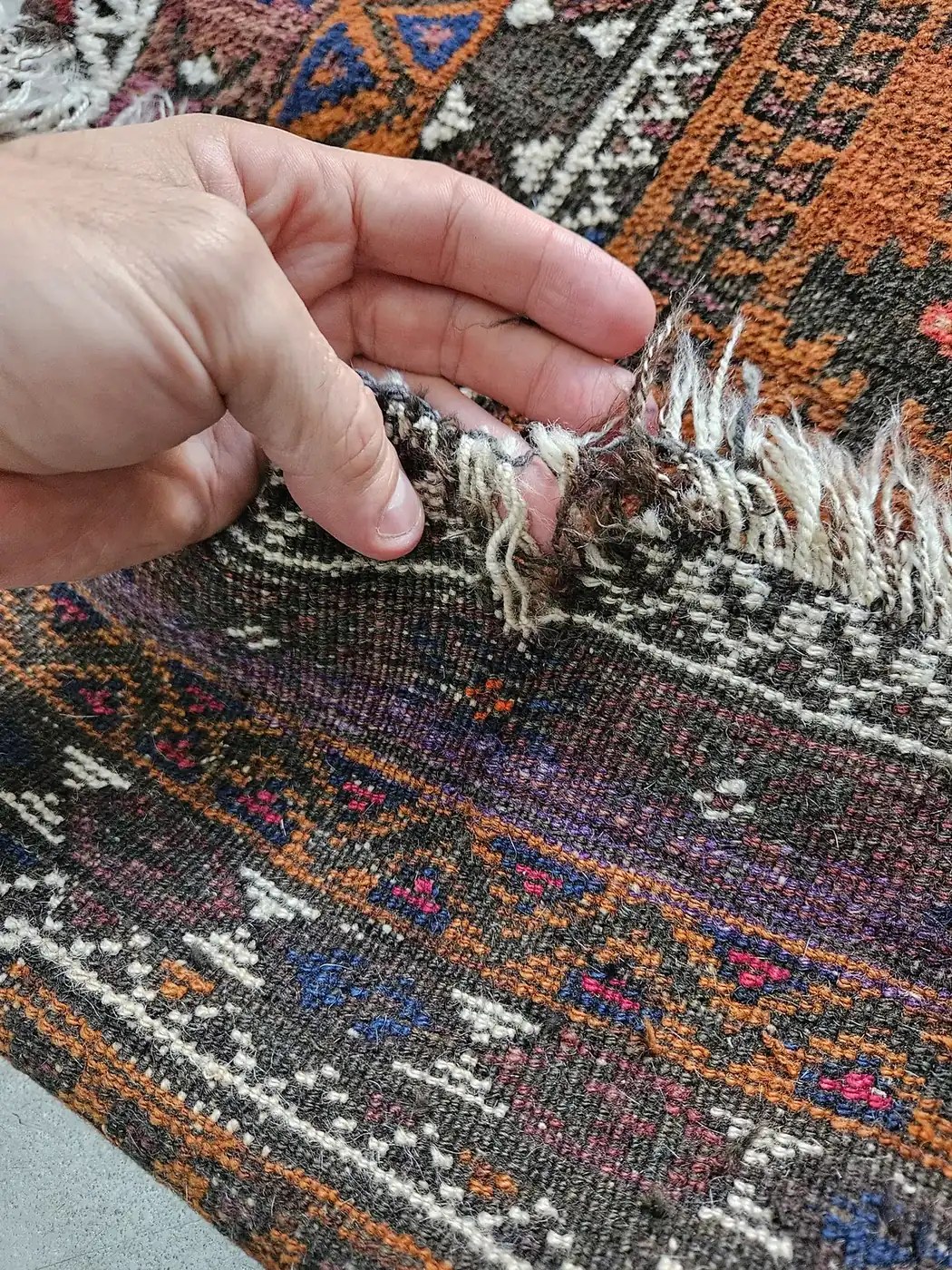
Frayed fringe, chewed corners, moth surprises from the closet — repaired by hand at our own shop near Town Center. Nothing gets shipped out, so the person who quotes the repair is the person who does it.
Describe the damage. We'll tell you if it can be repaired and what it takes.
Prefer to talk? Call or text (954) 228‑8821. Your exact price is confirmed at the free pre-inspection.
Catch it early
Because rug damage unravels — literally.
The side cords and end finishes of a hand-knotted rug are what hold the field together. When an edge wears through or fringe lets go, the knots behind it start walking out one row at a time. A small edge repair ignored for two years becomes a reweave costing many times that.
Moths are the same story: what you see is never the whole colony, and wool rugs in dark, quiet Florida closets are their favorite address.
The earlier we see the damage, the smaller the bill. Every time.
Bring the rug in — or send a photo — and we’ll tell you whether it’s a quick fix, a real restoration, or honestly not worth the money.
Fringe isn't decoration — it's the warp, the foundation threads the whole rug is tied onto. Once it wears through, the knots start walking out a row at a time. Overcasting binds that edge back down, stitch by stitch, by hand.
What we fix
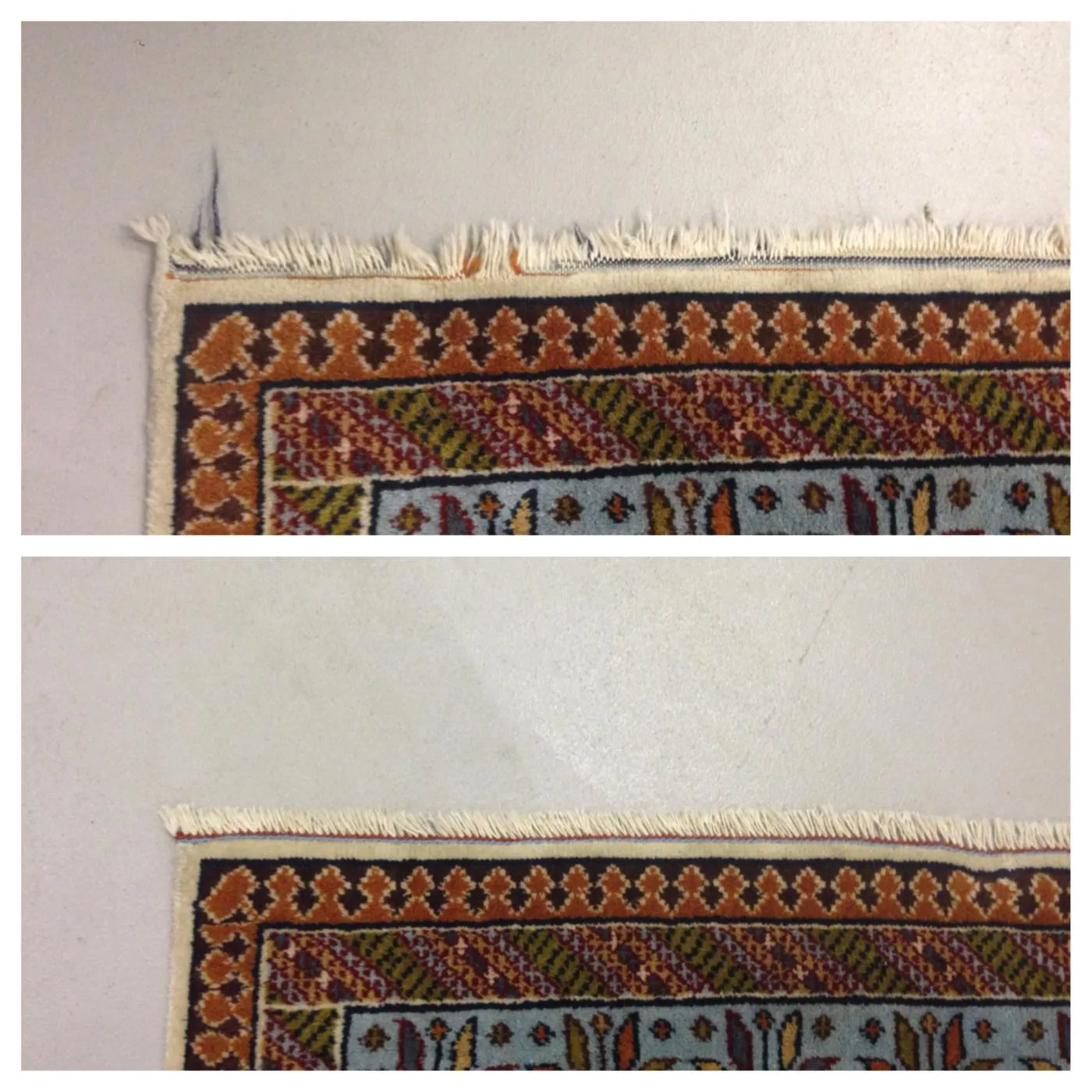
Worn fringe secured or fully replaced, and end stops rebuilt so the rug’s knots can’t continue shedding off the ends.
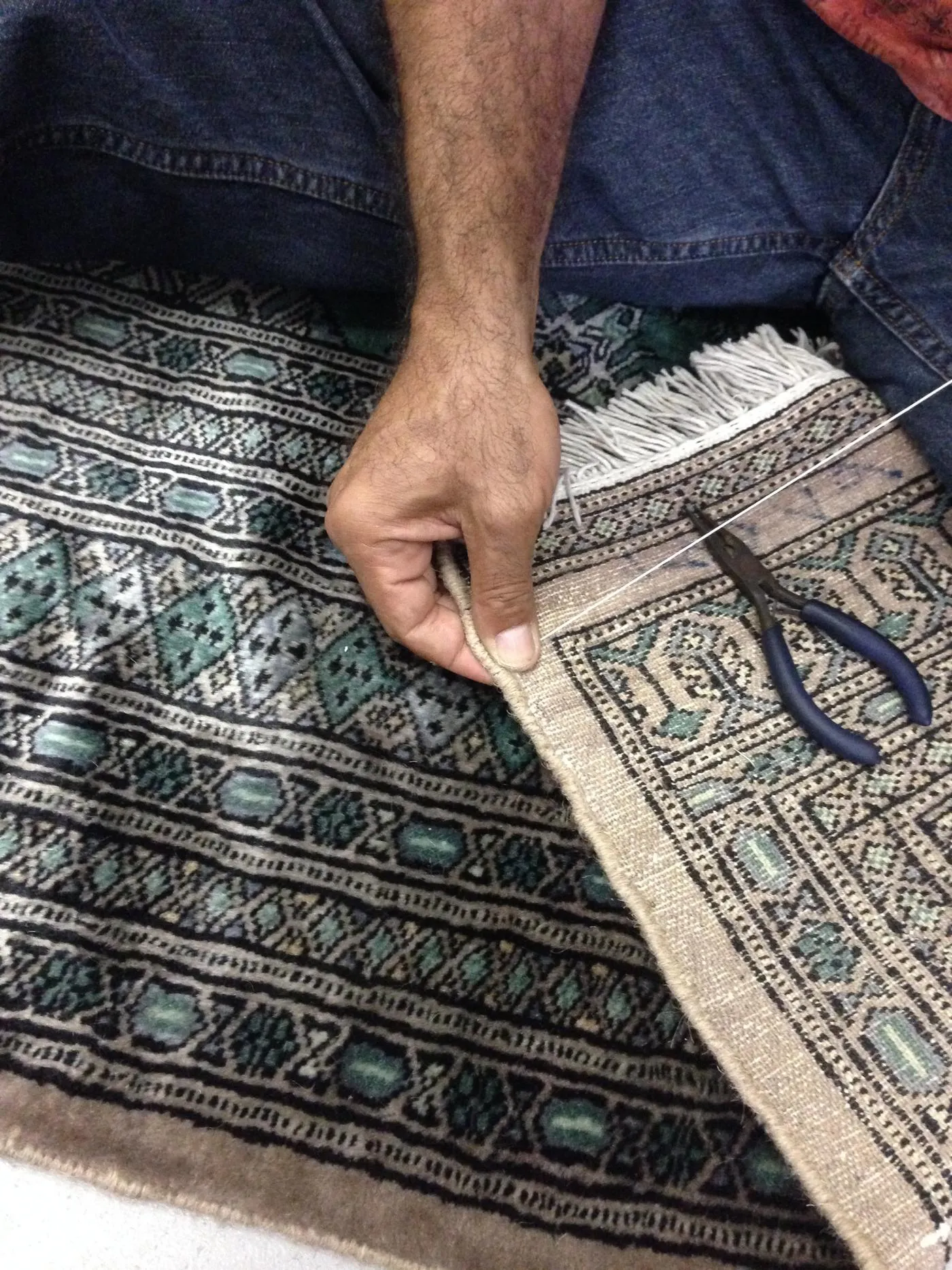
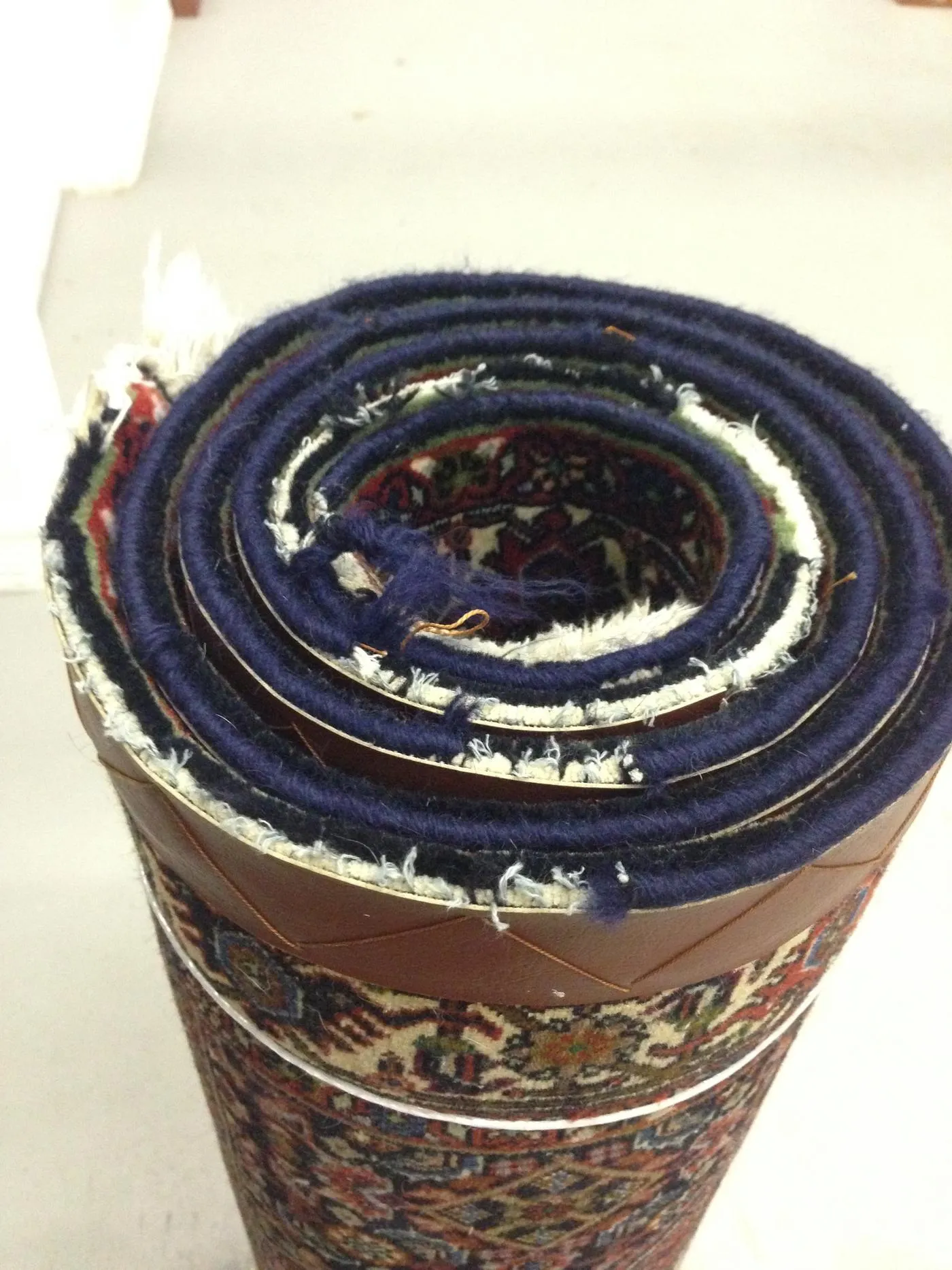
Side cords rewrapped by hand — the repair that saves a rug’s edges before the field starts to go.
Holes rebuilt from the foundation up: new warp and weft, then pile matched to color and knot style.
Grazed pile and eaten spots restored, and the rug treated so the problem doesn’t come home with it.
Brittle, cracking foundation — often from an old plant pot or slow leak — assessed honestly and repaired where the rug justifies it.
Rugs cut down and refinished for a new space, and full restorations for antiques that have earned the investment.
Protect what’s fixed
Three cheap habits beat one expensive restoration.
A proper pad. We custom-cut dense needle-punched pads that stop skidding, wrinkling, and the grinding wear a bare tile floor puts on a rug’s back — a real issue in Weston’s tile-and-marble homes.
Stain protection. An optional fiber protector that bonds to the pile and buys you time when wine, coffee, or a pet gets there first. It also helps against the sun-fading our west-facing rooms are famous for.
Smart storage. Rugs going into a closet or storage unit get cleaned, treated with moth repellent, and wrapped in breathable material — never plastic. Most of the moth damage we repair started in storage.
The honest part
Yes — and we do it weekly.
Repair cost should make sense against what the rug is worth, in dollars or in sentiment. A machine-made rug with a torn edge usually isn’t worth hand work; your grandmother’s Tabriz almost always is. When the math doesn’t work, we’ll say so before you’ve spent anything.
Cleaning first often settles the question: see what the wash involves, or read how this shop thinks about honest work.